Fake It Till You Make It: Approximating Messer Ratings
I was doing the pool seeding for a Messer tournament, and I ran into a problem that is all too familiar to organizers: what happens […]


I was doing the pool seeding for a Messer tournament, and I ran into a problem that is all too familiar to organizers: what happens […]
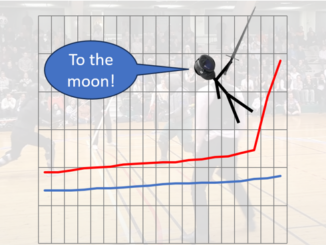
After many years of decline, HEMA longsword tournaments are finally back and setting new records.
What are the overall pre and post Covid trends in terms of Quality of Competition at North American and European HEMA tournaments?
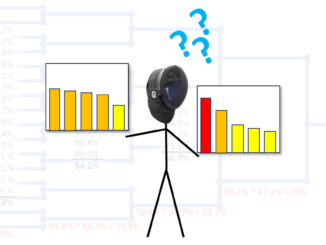
So, how do you compare HEMA tournaments analytically? I’ve been thinking about this challenge for quite some time, and I think I have an answer.
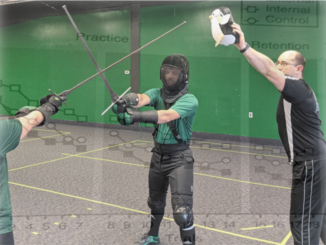
What difference does it make how a coach tells someone to get their sword higher? Well, actually, quite a big one.
If you’re reading this you’ve either made it to the end of the article series on Ecological Approaches to Coaching, or you just skipped to the end because you wanted the TL;DR. Fortunately I think this article will be able to please both crowds.
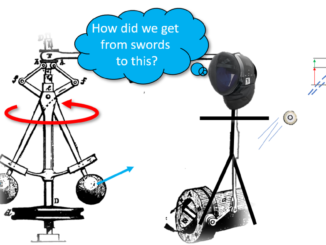
In this article we will go a little more into depth of how feedback fits into the Perception-Action coupling. Because contrary to what you might have thought, you can control something without a mental model of what it will do.
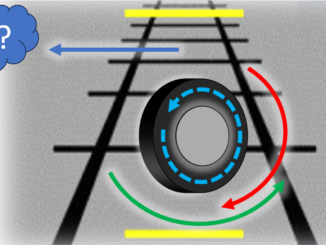
Perception-action coupling is how we make the connection between information available to us, and actual motor control.
Direct Perception is the idea that we don’t actually create a mental model of the world, and the visual information we take in doesn’t need to be “decoded” at all.
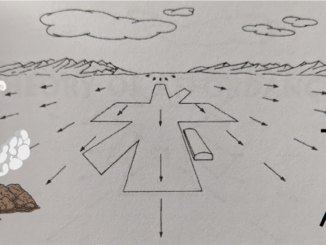
An important part to understanding how to use Ecological Approaches is the concept of an “affordance”. This is the ability to act on/in the enviornment.
Copyright © 2026 | WordPress Theme by MH Themes