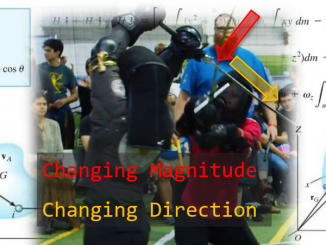
Vector Transformations and the “Wedge”
Vectors are used to describe just about everything in life. And all it takes to win a sword fight is to transform all your opponent’s vectors into ones that can’t hurt you. Piece of cake!

Vectors are used to describe just about everything in life. And all it takes to win a sword fight is to transform all your opponent’s vectors into ones that can’t hurt you. Piece of cake!
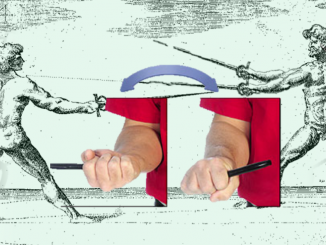
In Part1 we discussed what flinging is, why n00bs fling, and why flinging is a poor tactic. But how can we not fling? Before we can start, we need to understand motor redundancy.
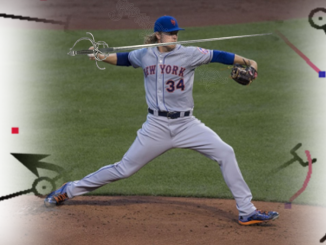
In Salvator Fabris’ 1606 treatise on rapier, he dedicates an entire chapter on the subject of flinging the sword and in-depth discussion of why this is bad. But what is flinging? And why is it poor form?
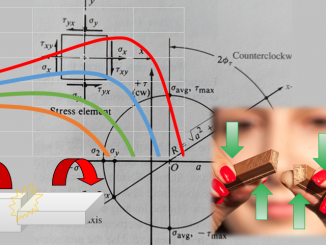
We are used to thinking about the forces that swords apply on their targets, but we don’t spend as much time thinking about the forces that the targets apply to the swords. Between axial, shear, bending, and torsion there is a lot more going on than you might have thought!
In my previous article, “Do Fullers Make Feders Take a Set?”, I promised you that I would take some data on production swords and back up the theory with data. I still haven’t done it, but I do have some measurements of the sharps around my apartment.
Dagger tournaments can receive an unfair reputation as stab-happy fights, with competitors disregarding defense for a ‘first-strike at all costs’ mentality. This paper will determine what proportion of exchanges in a recent dagger and ringen HEMA tournament ended with clean, contained hits and how many ended in doubles or hits with insufficient control
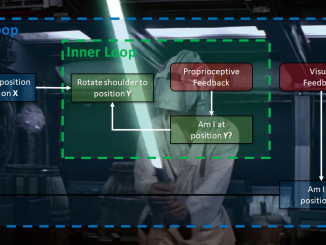
We have many ways and senses to process information with. How do we put them all together to control our actions?
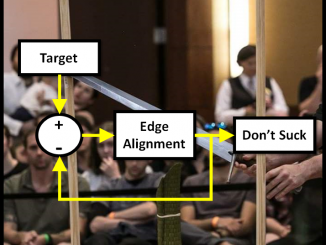
Closed feedback loops are a fundamental part of engineering control theory. They should also be a fundamental part of your fencing.
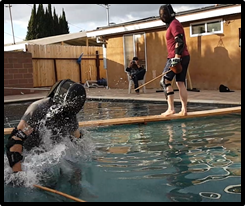
Quick, name five senses. Equilibrioception, Thermoception, Proprioception, Nociception, and Chronoception probably jump out at the top of the list, right? Or maybe not. I’m not […]
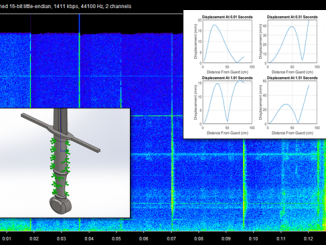
Longswords are often treated as having static vibrational nodes, with implications for sparring. A combination of mathematical analysis, SolidWorks modeling, and practical experiments were used to analyze the motion of a longsword under realistic end conditions. It was determined that not only are the nodes not static with respect to different end conditions, they also vary over time during free vibration after an impulse. Due to the complexity of the vibrations, as well as the very specific design criteria of a sword, it is impractical to attempt to alter the sword to maintain specific node locations. Vibration damping gloves are suggested as a possible remedy to fatigue during sparring.
Copyright © 2026 | WordPress Theme by MH Themes